みなさんこんにちは!
NOVA駒込校でございます(^^)/
10月も終盤!
ということは、もうすぐハロウィンですね🍭🦇
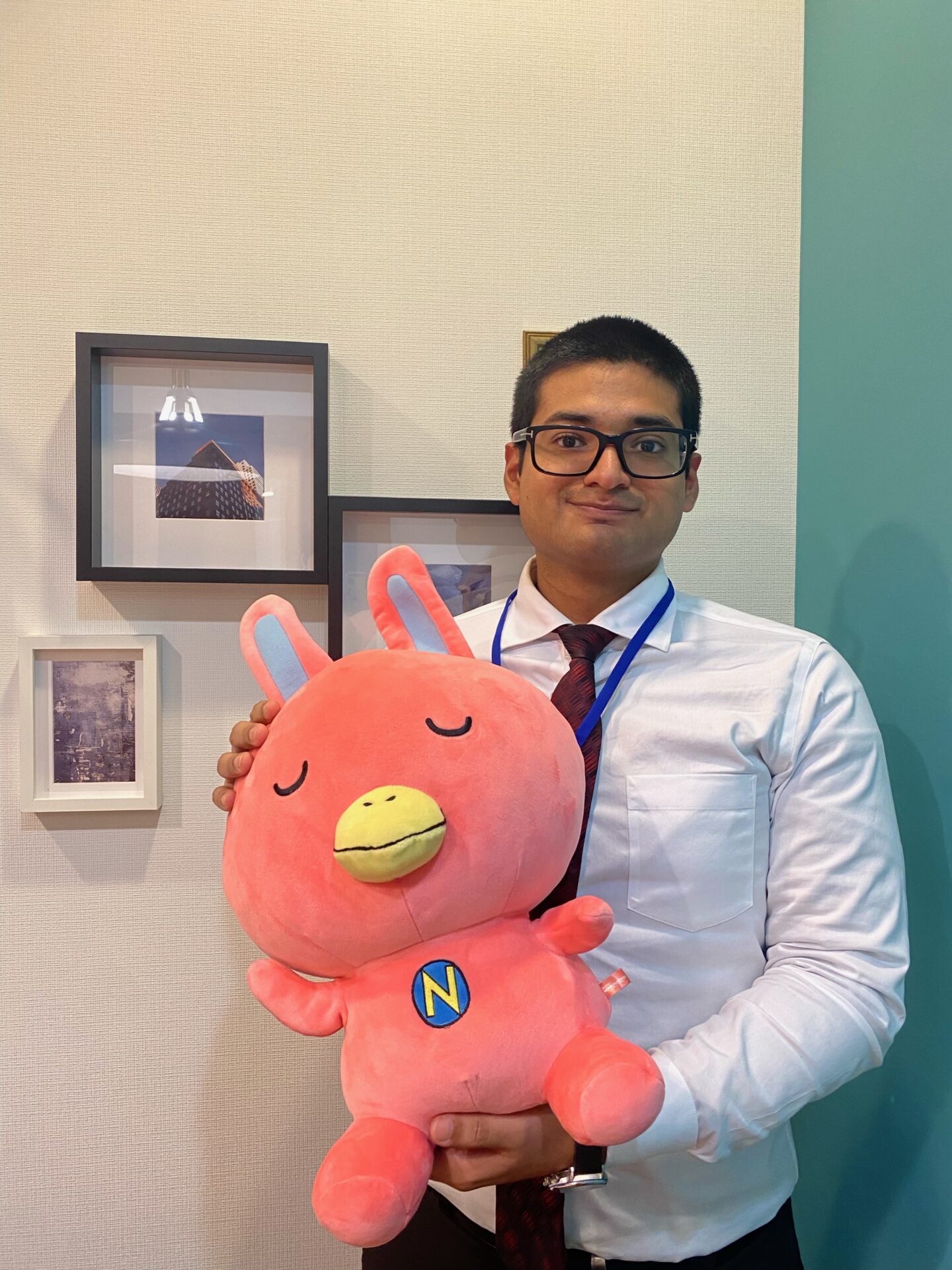
今日はWill先生より
アメリカでのハロウィンの過ごし方について聞きました!
同じ内容でも単語を上級者の方向けに言い換えたバージョンも書いてくれたので
ぜひみなさんチャレンジしてみてください(*^-^*)
【Experiencing the Magic (Wonder) of American Halloween】
When October arrives in America, the air changes. Leaves fall, pumpkins appear on doorsteps, and children begin to dream about costumes. Halloween is more than a holiday; it is a cultural phenomenon (event) that brings neighborhoods alive with imagination (creativity), fear, and laughter.
The story of Halloween began long ago with the Celts, who celebrated Samhain, a festival marking the end of the harvest season. They believed that on October 31, the barrier (wall) between the living and the dead became thin. Spirits could wander among people. To protect themselves, villagers wore costumes and lit great fires. Centuries later, Irish immigrants brought these beliefs to America, where they evolved (changed) into the joyful, candy-filled Halloween we know today.
In every American town, Halloween night feels electric (exciting). Children dressed as witches, superheroes, and ghosts rush from house to house shouting, “Trick or treat!” The phrase is both playful and symbolic (meaningful): if you don’t offer candy, they might play a harmless (safe) prank. The exchange builds a sense of community (togetherness), even between strangers (unknown people).
Meanwhile, adults enjoy their own celebrations. Many host costume parties, decorate their homes with spider webs and skeletons, and attend haunted houses designed to provoke (cause) fear and laughter. Entire neighborhoods transform (change) into glowing, orange lit stages for creativity. A simple walk down the street feels like entering another world.
One of the most iconic (famous) images of Halloween is the jack-o’-lantern. Families carve faces into pumpkins, place candles inside, and set them outside their homes. The warm, flickering (shaking) light is both beautiful and eerie (scary). These glowing pumpkins represent the original Celtic fires that were meant to guide good spirits and frighten bad ones.
Halloween also reveals the commercial (business) power of American culture. By early September, stores fill with candy, costumes, and decorations. People spend billions of dollars each year preparing for one night of celebration. It is proof (evidence) of how deeply this tradition influences (affects) American society.
For Japanese learners of English, Halloween offers a fun way to study language and culture together. You can watch American Halloween movies in English, host small English only costume parties, or write about your own experience using new words like “pumpkin,” “witch,” or “costume.” Each activity helps you connect vocabulary with real emotions (feelings) and memories.
Halloween reminds us that language is more than grammar or vocabulary lists. It is a living experience, a chance to explore (learn about) another culture through action. So this October, try celebrating Halloween the American way. Carve a pumpkin, wear a costume, share candy with friends, and maybe practice saying “Trick or treat!” in English.
You might discover (find) that learning English feels a little easier when it comes with laughter, mystery, and a touch of magic (wonder).
【上級バージョン For advance students】
Every October, the United States undergoes a peculiar (strange) transformation. Streets once ordinary become adorned (decorated) with carved pumpkins, ghostly figures, and glimmering lights. Children roam through neighborhoods with unrestrained (free) excitement, shouting “Trick or treat!” as if invoking (calling forth) an ancient spell. To an observer from Japan, this celebration might seem theatrical (dramatic), but for Americans, Halloween is a beloved ritual that merges (combines) fear and delight into one exhilarating (thrilling) night.
The genesis (beginning) of Halloween traces back to the ancient Celtic festival of Samhain. The Celts believed that on October 31, the boundary (border) between the living and the dead became permeable (able to be crossed). Spirits were thought to wander the earth, so villagers wore disguises (costumes) and lit immense fires to ward off (protect from) mischief. Centuries later, Irish immigrants transported (brought) this tradition to the United States, where it gradually metamorphosed (changed) into the celebration we recognize today.
Modern American Halloween embodies (represents) both tradition and reinvention (change). Children meticulously (carefully) select costumes weeks in advance, often aspiring (hoping) to become their favorite heroes, monsters, or movie characters. The ritual of trick-or-treating, though innocent in appearance, contains subtle (hidden) social meaning. It transforms entire neighborhoods into arenas of communal (shared) generosity. For one night, even strangers (unknown people) open their doors to one another, united by the exchange of candy and smiles.
Adults, too, partake (join) in the revelry (celebration). Costume parties, haunted attractions, and elaborately (carefully) decorated homes transform towns into carnivals of creativity. For many, Halloween serves as a temporary escape from routine, a chance to embody (become) something extraordinary (special), whether frightening, funny, or fantastical (imaginary).
Among the most iconic (famous) symbols of Halloween is the jack-o’-lantern. The tradition of carving faces into pumpkins originated (began) from an Irish folktale about a man named Stingy Jack. When lit from within, the glowing pumpkin becomes both beautiful and ominous (frightening), symbolizing the delicate balance between life and death that defines the holiday’s ancient roots.
Yet Halloween is not merely (only) a cultural event; it is also an economic spectacle (show). Americans spend billions each year on costumes, candy, and decorations. Retailers anticipate (expect) the season eagerly, filling stores with orange and black merchandise by early autumn. This consumer enthusiasm (excitement) reflects the holiday’s dual nature: it is both deeply personal and profoundly commercial (business related).
For English learners in Japan, Halloween provides an ideal (perfect) chance to enrich (improve) both vocabulary and cultural understanding. Watching Halloween films in English, writing journal entries about the holiday, or hosting English speaking costume gatherings can transform (change) language study into an immersive (deep) experience. Each carved pumpkin, each spooky (scary) word, becomes part of your linguistic (language related) adventure.
Halloween teaches a subtle lesson about language itself: fluency is not achieved (reached) through memorization alone but through participation (involvement). To truly grasp (understand) English, one must also grasp its culture, its humor, its traditions, and its imagination.
So this October, dare to participate. Carve a pumpkin. Dress as your favorite character. Speak English while handing out candy. You might discover (find) that learning a language is not only academic (scholarly) but also deeply human, an act of curiosity (interest), expression, and joy.
💌💌💌💌💌💌💌💌💌💌💌💌💌💌💌💌💌💌💌💌💌💌💌💌💌
△▼駒込・田端・巣鴨・上中里エリアで
英会話教室をお探しなら、NOVA駒込校△▼
↓↓説明会・無料体験レッスンのお申し込み↓↓

🗽NOVA駒込校🗼
住所:東京都豊島区 駒込1-34-2 ヒルクレスト駒込3F
TEL:03-5319-3535
営業日:(平日)12:30-21:30/(土日祝)9:00-18:00
アクセス:JR駒込駅南口左に徒歩1分
💌💌💌💌💌💌💌💌💌💌💌💌💌💌💌💌💌💌💌💌💌💌💌💌💌